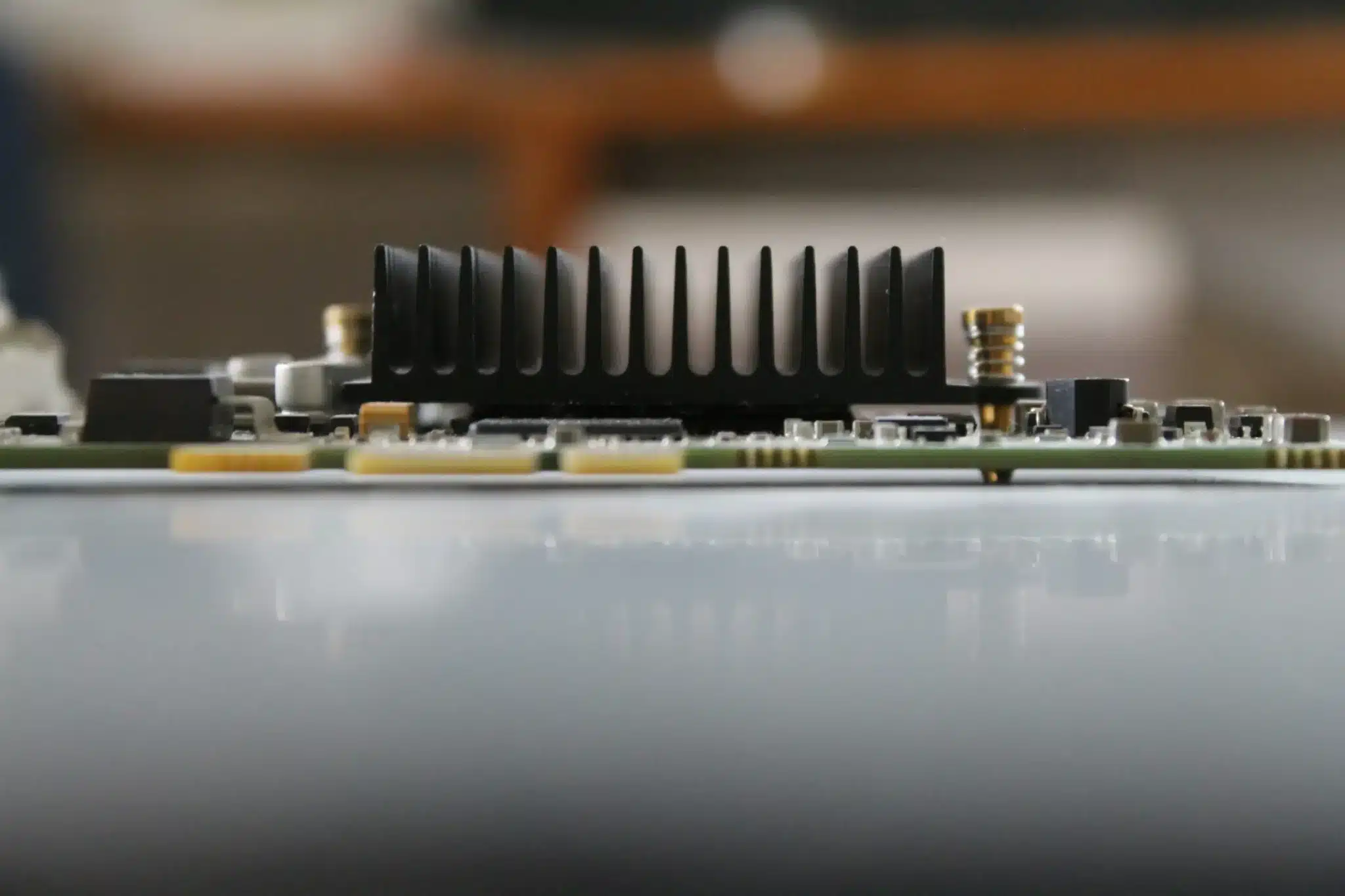
LM Projects / Component manufacturing services / Electronics Manufacturing Services (EMS)
Electronics Manufacturing and PCB Assembly
In every electronic device, the printed circuit board is the functional core of the product. A reliable PCB requires precise assembly, the correct components, documented quality and thorough testing.
At LM Projects, we provide electronics manufacturing, also known as Electronics Manufacturing Services (EMS), bringing PCB assembly, component sourcing, firmware programming, testing and production preparation together in one coordinated process.
As your manufacturing partner, we manage, plan and coordinate electronics production through a network of specialised manufacturing partners. We help reduce supply chain complexity and ensure that your PCBs are delivered tested and ready for further integration.
Electronics Manufacturing from Prototype to Series Production
We support electronics projects from early prototypes and pilot production through to stable series production. The manufacturing setup, level of testing and documentation requirements are adapted to your product’s development stage, technical complexity and expected production volume.
This enables us to support low-volume production, products with many variants and more scalable manufacturing programmes where consistent quality, traceability and reliable delivery become critical.
SMT, THT and Hybrid Assembly
At the core of our electronics manufacturing service is matching the production process to the requirements of your design.
We therefore work with surface-mount technology, through-hole technology and manual specialist assembly depending on the PCB’s components, functionality and operating environment.
SMT Assembly
For compact PCBs with high component density, we use surface-mount technology, also known as Surface Mount Technology (SMT). This method is well suited to modern electronics designs where small components, complex circuitry and efficient production are key requirements.
Typical applications: Compact electronic devices, industrial modules, IoT products and other PCBs with high component density.
Quality control: Automated optical inspection, also known as Automated Optical Inspection (AOI), can be included as part of the quality control process to identify misplaced components, missing components and visible soldering defects at an early stage.
THT Assembly
Through-hole assembly, also known as Through-Hole Technology (THT), is often used for larger components where mechanical strength and durability are particularly important.
THT assembly is relevant for components exposed to mechanical stress, vibration, heat or higher electrical currents.
Typical applications: Products using larger components such as connectors, large capacitors, relays, transformers and power semiconductors.
Hybrid Assembly and Manual Soldering
Many industrial PCBs require a combination of automated assembly and manual expertise. We therefore also provide professional manual soldering and specialist assembly for components that are not suitable for fully automated production.
This hybrid approach makes it possible to handle complex PCBs, specialist components and low-volume production with a high number of product variants.
Testing and Quality Assurance
Defects in electronics manufacturing become increasingly expensive the later they are discovered. Testing and quality assurance are therefore central elements of our electronics manufacturing process.
Together with you, we define the required testing strategy based on the product’s functionality, application, risk profile and documentation requirements.
Automated Optical Inspection (AOI)
AOI is used for visual inspection of PCBs during or after assembly. The method can identify visible defects such as missing components, incorrectly positioned components, orientation errors and selected soldering defects.
AOI can support quality control according to relevant IPC-A-610 criteria, depending on the requirements of the product and the selected manufacturing setup.
In-Circuit Test (ICT)
In-Circuit Test (ICT) is used to verify electrical connections and component values on the PCB. The test can, among other things, verify resistors, capacitors, connections and selected circuit functions before the product proceeds to the next stage of production.
ICT is particularly relevant for series production where repeatability, troubleshooting and process control are important.
Functional Circuit Test (FCT)
Functional testing, also known as Functional Circuit Test (FCT), validates the functionality of the PCB under conditions that more closely resemble its intended real-world application.
As part of this process, we can program firmware, activate relevant functions and verify that the PCB responds correctly according to the defined requirements.
Traceability and Documentation
For projects with specific quality and documentation requirements, we can provide traceability at batch, component or serial number level. This provides visibility into the components, production batches and test data associated with individual PCBs.
Ruggedization
Environmental Protection for Electronics
Industrial electronics may be exposed to moisture, dust, vibration, chemicals, temperature fluctuations and other environmental stresses. Some PCB assemblies therefore require additional protection.
We advise on and coordinate suitable environmental protection methods to ensure that the solution matches the product’s operating environment and technical requirements.
Potting
Potting protects electronics by encapsulating all or part of the assembly in a solid or gel-like material.
The method can be relevant when electronics need protection against moisture, vibration, impact or other mechanical stresses.
Conformal Coating
Conformal coating consists of applying a thin protective coating to the PCB. It can protect circuits against moisture, dust and other environmental influences without adding significant weight or volume.
The choice of coating material depends on factors including temperature conditions, service requirements, chemical exposure and PCB design.
Overmolding
Overmolding can be used to create seals around cables, connectors or selected parts of an electronic assembly.
It can be relevant for products that require mechanical protection, sealing or integrated cable strain relief.
Sourcing
Component Sourcing, BOM Management and Firmware
Electronics manufacturing involves more than the assembly process itself. Component availability, firmware, documentation and regulatory compliance all have a significant impact on both product quality and lead times.
Component Sourcing and BOM Management
We work from your Bill of Materials (BOM) and assist with sourcing, coordination and management of the required components.
In the event of component shortages, obsolete components or long lead times, we can help identify potential alternatives in consultation with you, ensuring that any changes are evaluated from both a technical and commercial perspective before implementation.
Counterfeit Component Prevention
In the global electronic component market, reducing the risk of counterfeit or unsuitable components is essential. We therefore work with supplier management, documentation and controlled sourcing channels where required by the project.
Firmware Programming
We can program firmware onto microcontrollers or other relevant devices as part of the manufacturing process. This means the PCB can be delivered programmed, tested and ready for further integration.
REACH and RoHS Compliance
For products intended for the European market, we can help ensure that relevant materials and manufacturing processes support REACH and RoHS requirements, depending on the project’s specifications and documentation requirements.
Finalization
From PCB to Finished Product
Our electronics manufacturing service can be used as a standalone service or as part of a broader manufacturing solution.
If you require enclosures, brackets or mechanical components for your PCB, we can also support you with mechanical manufacturing in plastic and metal.
If you need a finished product ready for distribution or end use, electronics manufacturing can be combined with box-build assembly. In this process, the PCB is installed in the enclosure, cables and connectors are assembled, the product is tested, and the finished unit can be packaged with manuals, accessories and customer-specific packaging.
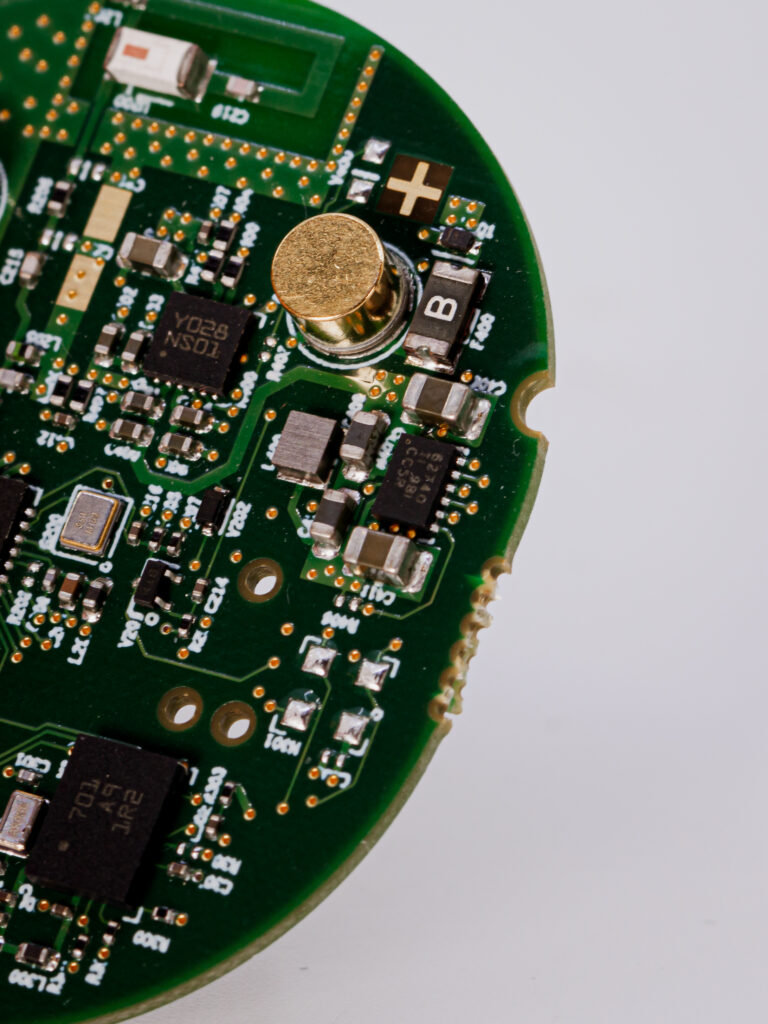
SECURING THE SUPPLYCHAIN
Ready to Secure Your Electronics Manufacturing?
Transparency, quality assurance and close coordination are essential when electronics manufacturing is outsourced. With LM Projects, you gain a single manufacturing partner that helps manage the process from PCB assembly and component sourcing through to testing, documentation and further integration.
Send us your BOM, Gerber files, requirements specification or existing production documentation, and we will assess the next steps for your electronics manufacturing project.